

Introduction
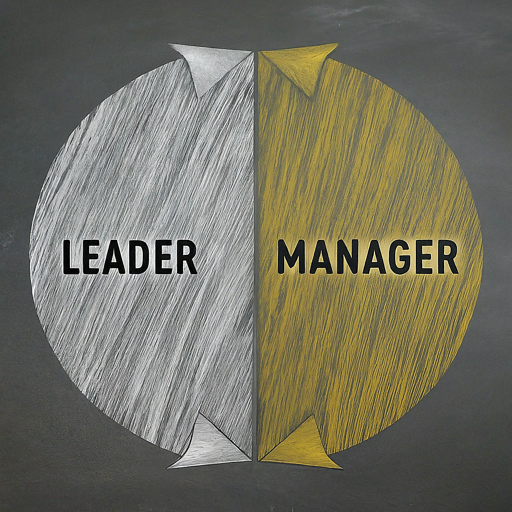
Yesterday's post was explicitly talking about a leader in an organization. Today I wanted to discuss the differences between a leader and a manager.
While the terms "leader" and "manager" are often used interchangeably, they represent distinct roles with different responsibilities and expectations. Understanding the key differences between leaders and managers can help individuals and organizations identify the specific qualities and skills needed to succeed in each role.
The Role of a Manager
A manager's primary role is to ensure that tasks are completed efficiently and effectively, often requiring a strategic combination of planning, organizing, and resource allocation. They set clear goals, establish timelines, and allocate resources to ensure that projects stay on track. They are also like traffic controllers, directing the flow of work and ensuring that tasks are prioritized and executed smoothly. Additionally, managers play a crucial role in decision-making, weighing options, analyzing data, and making informed choices that benefit their team and the organization as a whole.
The Role of a Leader
A leader, on the other hand, is someone who inspires and motivates others to achieve a common goal.
A leader is more than just a manager; they are a visionary, a mentor, and a catalyst for change. Unlike managers who focus on the day-to-day operations, leaders take a broader perspective, envisioning a future where their team can excel and make a significant impact. They are the architects of a shared purpose, inspiring and motivating others to rally around a common goal.
They create a positive and supportive culture, fostering teamwork, trust, and a sense of belonging. They are also like mentors, providing guidance, support, and encouragement to their team members, helping them to develop their skills, overcome challenges, and reach their full potential. By empowering their team members, leaders create a self-sustaining ecosystem where individuals feel valued, motivated, and invested in the success of the organization.
Key Differences Between Leaders and Managers
| Leader | Manager | |
|---|---|---|
| Focus | Long-term vision and goals | Short-term tasks and objectives |
| Motivation | Inspiring and motivation others | Directing and controlling |
| Relationships | Building relationships and trust | Maintaining order and structure |
| Innovation | Encouraging creativity and innovation | Following established procedures |
| Risk-taking | Willing to take risks and try new things | Risk-averse and focused on avoiding mistakes |
The Importance of Both Roles
While there are clear distinctions between leaders and managers, both roles are essential for the success of an organization. A successful organization often requires a balance of both leadership and management.
Leadership and management are complementary forces that work together to drive progress. While leaders provide the vision and inspiration that ignite passion and purpose, managers ensure that the day-to-day operations run smoothly and efficiently.
Developing Leadership and Management Skills
Leadership and management skills are not innate talents; they are cultivated through a combination of education, experience, and deliberate practice. Individuals aspiring to leadership or management roles can develop their skills through a variety of avenues.
Leadership development programs, like specialized training courses, can provide valuable insights, tools, and techniques for aspiring leaders. These programs often focus on developing key leadership qualities such as vision, communication, empathy, and decision-making. Additionally, practical experience in various roles can provide valuable opportunities to learn and grow as a leader. By taking on leadership responsibilities, even in small-scale projects, individuals can gain firsthand experience in motivating teams, making decisions, and overcoming challenges.
For those who want to excel as managers, focusing on developing organizational and planning skills is essential. These skills involve the ability to set goals, allocate resources, prioritize tasks, and monitor progress. Management training programs can provide valuable insights into best practices for planning, organizing, and controlling resources. Additionally, practical experience in managing teams or projects can help individuals develop their organizational and planning skills.
Ultimately, the development of leadership and management skills is a lifelong journey. By seeking out opportunities for education, experience, and practice, individuals can enhance their abilities, become more effective leaders and managers, and contribute meaningfully to their organizations.
Summary
While leaders and managers share some similarities, they play distinct roles within an organization. Understanding the key differences between these roles can help individuals and organizations identify the specific qualities and skills needed to succeed in each position. By developing both leadership and management skills, individuals can become more effective contributors to their organizations and achieve their career goals.