

Introduction
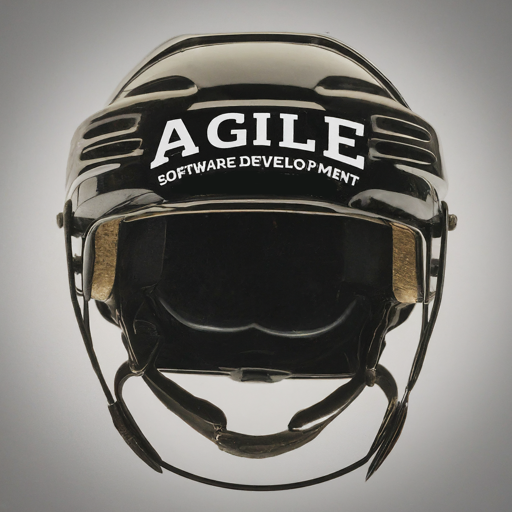
As the hockey season starts up again here in Canada, I reflect on how there are parallels between development teams and team sports.
The analogy of agile software development to a team sport is apt for several reasons. Just as in a sporting event, success in agile requires a coordinated effort from all team members, a well-crafted strategy, and the ability to adapt to changing circumstances. Understanding some of these similarities can help us better recognize the role everyone has to play in the success of an agile organization.
Parallels between Agile Development and Team Sports
There are several ways that agile development and team sports are similar, including:
- Teamwork and Collaboration: In both sports and agile software development, teamwork and collaboration are essential for achieving success. Just as a sports team relies on each player's contributions and coordination to win a game, an agile team relies on the collective efforts of its members to deliver high-quality software.
- Shared Goals: Teams have a common goal: to win or deliver a successful product. Achieving this goal requires everyone to work together towards a shared vision.
- Effective Communication: Clear and open communication is crucial in both sports and agile. Team members must be able to effectively communicate their ideas, concerns, and progress to ensure everyone is on the same page.
- Trust and Respect: Trust and respect are essential for building strong teams in both sports and agile. When team members trust and respect eac other, they are more likely to collaborate effectively and support one another.
- Role Specialization: Although with cross-functional teams this becomes a bit more blurred, in both sports and agile, team members often have specialized roles and responsibilities. Effective teamwork requires each member to play their role to the best of their ability and support the efforts of their teammates.
- Strategy and Planning: In sports, teams develop strategies and game plans to achieve their objectives. Similarly, in agile, teams create product roadmaps and sprint plans to guide their work. These plans help teams stay focused, prioritize tasks, and measure progress.
- Adaptability and Flexibility: Both sports and agile require teams to be adaptable and flexible. In sports, teams must adjust their strategies based on the opponent's moves and the flow of the game. In agile, teams must be prepared to adapt to changing requirements and unexpected challenges.
- Iterative Development and Continuous Improvement: In sports, teams constantly analyze their performance and make adjustments to improve their skills and strategies. Agile development follows a similar approach, with teams continuously improving their processes and delivering value in small, incremental steps.
- The Role of the Scrum Master: The Scrum Master, a key role in agile development, can be likened to a coach in sports. Just as a coach guides and supports a sports team, the Scrum Master plays a crucial role in facilitating the progress of an agile team. They act as facilitator, obstacle remover, coach, servant leader, and process enforcer. By effectively fulfilling these roles, the Scrum Master can significantly contribute to the success of an agile team. They help to create a positive and productive work environment, foster collaboration, and ensure that the team is delivering value to stakeholders.
- The Importance of Celebrations: Just as athletes celebrate victories and milestones, agile teams should also celebrate their achievements. Recognizing and rewarding team members can boost morale, strengthen team bonds, and motivate everyone to keep striving for excellence.
Summary
Agile software development and team sports share numerous similarities that can provide valuable insights for organizations seeking to improve their agile practices. By understanding these parallels, teams can develop a more effective, enjoyable, and successful approach to agile development.
By fostering teamwork, collaboration, strategy, adaptability, and a focus on continuous improvement, teams can create a positive and productive work environment that delivers exceptional results.
Prefer to consume this information from a video?
This blog is available on my  channel as well!
A direct link to this blog's video can be found here.